
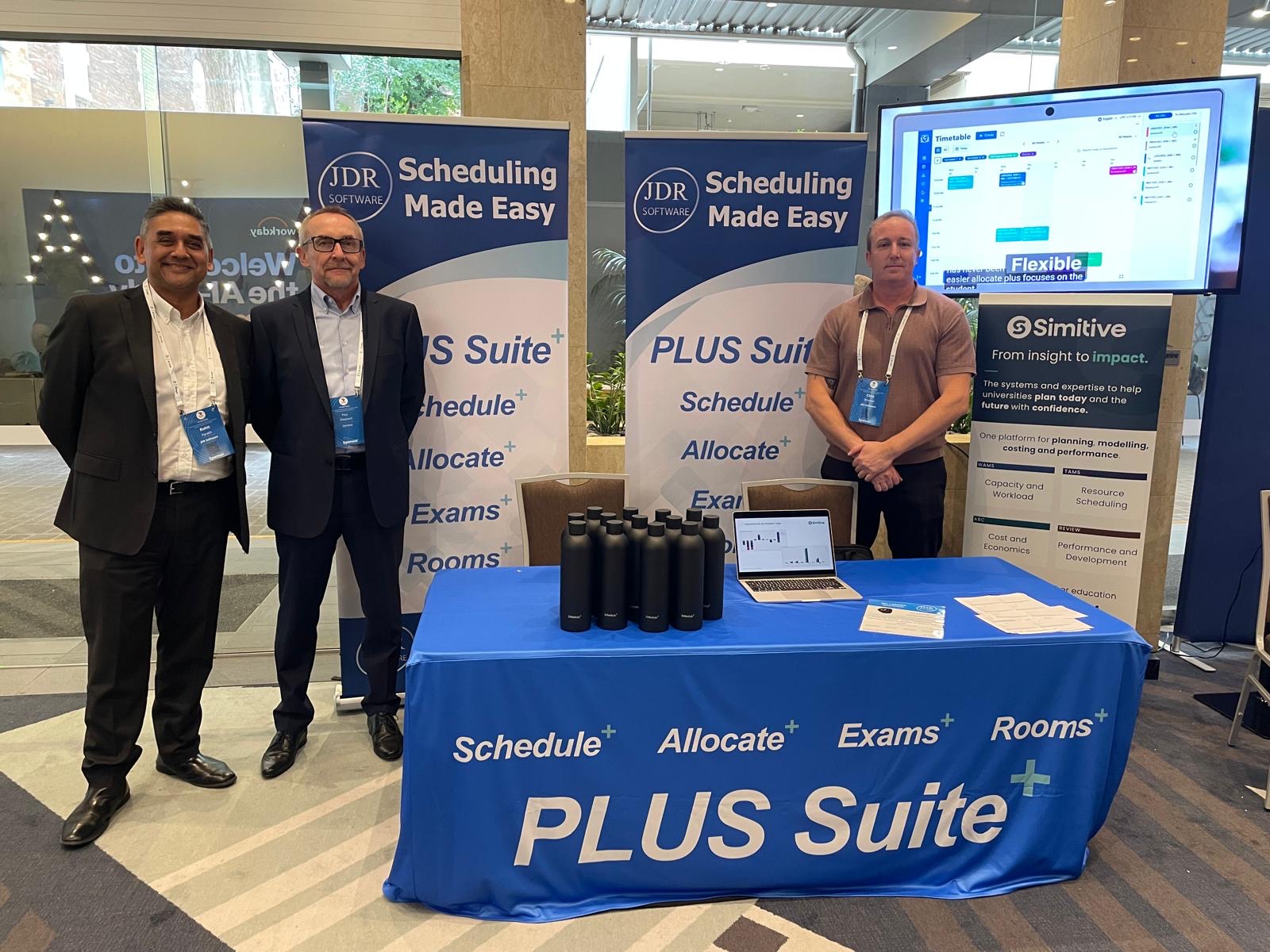
The conversations at HoSA Australia 2026 were some of the most thought-provoking I have had in recent years.
While topics such as student administration, service delivery and operational efficiency remain important, a recurring theme emerged across discussions with university leaders from Australia and New Zealand:
How do universities build a workforce that is genuinely future ready?
The challenge is no longer simply understanding workload. It is understanding capacity.
As institutions navigate financial sustainability pressures, evolving student expectations, advances in artificial intelligence and growing demands for agility, many are questioning whether traditional approaches to workforce planning remain fit for purpose.
The questions being asked are becoming increasingly strategic:
Do we have the capacity to deliver our institutional ambitions?
Where are we carrying hidden workload pressures?
What skills will we need in three or five years' time?
How will AI change the nature of work across academic and professional services teams?
Can we model future scenarios before making investment decisions?
These are not operational questions.
They are leadership questions.
The Shift from Workload Management to Capacity Planning
Historically, workload management has been viewed primarily as an academic process focused on equity, transparency and compliance.
Those objectives remain important.
However, many universities are now recognising that workload data provides something much more powerful: visibility of organisational capacity.
When institutions understand where effort is being spent, how work is distributed and when activity occurs, they gain the ability to make better informed decisions about growth, investment, programme viability, workforce requirements and organisational change.
Workload data becomes a strategic asset.
It moves from being a retrospective exercise to becoming a forward-looking planning capability.
The AI Question
Artificial intelligence emerged as a major discussion point throughout the conference.
Interestingly, the conversation is evolving beyond whether AI will change universities.
Most leaders now accept that it will.
The real discussion concerns understanding how it will change work and what institutions should do in response.
Some activities may become more efficient.
New responsibilities will emerge.
Roles will evolve.
Skills requirements will shift.
Yet despite the extensive discussion surrounding AI, very few institutions feel they have adequate tools to model the impact on workforce demand, capacity and resource allocation.
This creates a significant planning challenge.
Universities need a way to test assumptions, explore different scenarios and understand workforce implications before change occurs.
Future-Ready Universities Need Future-Ready Planning
Several conversations at HoSA reinforced an important point.
Universities cannot manage future workforce challenges using spreadsheets, anecdotal evidence and historical assumptions alone.
Future-ready institutions require:
Visibility of current workforce capacity
Understanding of future workforce demand
Confidence in workforce planning decisions
The ability to model alternative scenarios
Data to support strategic investment decisions
The institutions leading in this space are developing planning capabilities that connect workload, workforce, finance and strategy into a single evidence-based view of organisational capacity.
Looking Ahead
One of the most encouraging aspects of HoSA was the willingness of institutions to openly share experiences, challenges and ideas.
Across the sector there is a growing recognition that workforce planning is becoming a critical capability for institutional success.
The universities that can confidently answer questions about capacity, capability and future workforce requirements will be better positioned to navigate uncertainty and deliver on their strategic ambitions.
Workload management will continue to play an important role.
But the conversation has moved on.
The future is about understanding organisational capacity and using that insight to make better strategic decisions.
And based on the discussions at HoSA, that future is already arriving.